Why do escape rooms feel so different from a crossword or a puzzle app? The short answer is pressure, teamwork and a locked door working together on your brain at the same time.
Escape rooms combine time limits, physical clues and group dynamics in a way that triggers a very specific kind of mental state, part focus, part adrenaline. Understanding the psychology behind that state explains why escape rooms have become such a popular form of interactive games and why they’re so hard to stop thinking about once you leave.
Why Time Pressure Makes Puzzles More Engaging
A puzzle with no deadline invites a relaxed, take-your-time approach. Add a countdown clock, and everything changes.
Time pressure shifts the brain into a more alert, focused state, sharpening attention and speeding up decision-making. This is part of why escape rooms feel so much more intense than solving the same style of riddles at home with no clock running.
The Role of Adrenaline
That heightened focus comes with a physical response too. As the clock ticks down, the body releases adrenaline, the same chemical behind that classic adrenaline rush feeling associated with thrill-seeking activities.
For many players, that rush is a big part of the appeal. It turns a quiet puzzle-solving session into something that feels closer to a mini adventure.
How Escape Rooms Engage Critical Thinking and Problem-Solving
Escape rooms rarely rely on a single type of puzzle. Riddles, hidden objects, pattern recognition and logic challenges are usually mixed together, forcing players to switch between different problem-solving skills throughout the session.
This variety keeps the brain engaged in a way that repetitive puzzles can’t. Just as one type of clue starts to feel familiar, the room shifts to something completely different.
Why Fresh Challenges Keep Us Hooked
Psychologists often point to novelty as a key driver of engagement. New, unexpected challenges hold attention far better than predictable ones, which is exactly what a well-designed escape room delivers, clue after clue.
This constant shift between puzzle types also explains why escape rooms rarely feel boring, even for players who’ve tried several themed rooms before.
The Social Psychology of Group Problem Solving
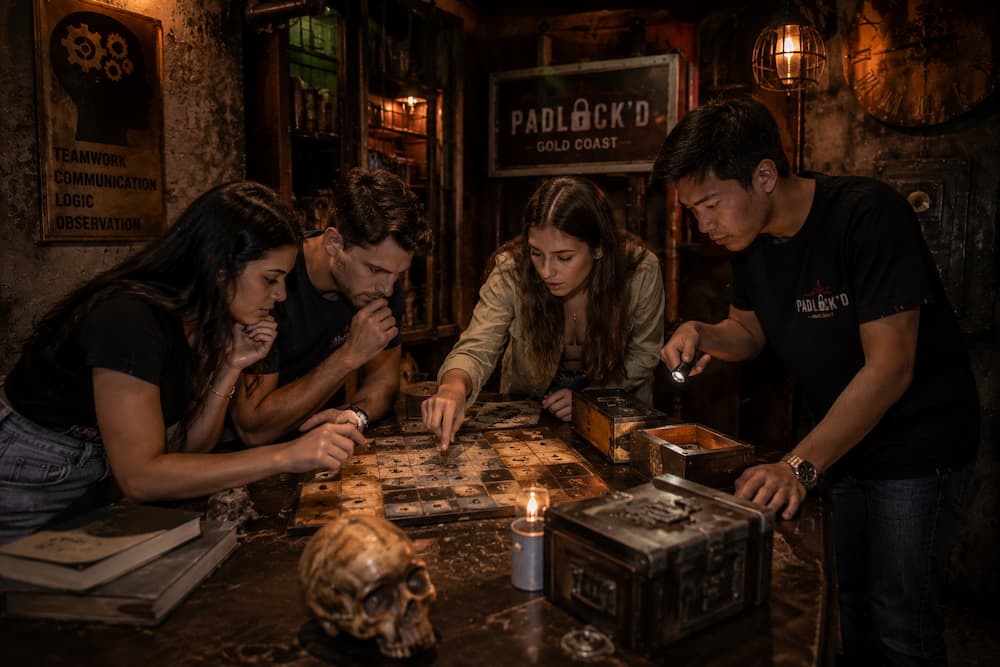
Escape rooms aren’t a solo activity, and that’s central to why they work so well psychologically. Working through clues and puzzles as a group activates a different set of mental processes compared to solving something alone.
Group problem-solving relies heavily on communication, trust and quick decision-making under pressure. Success often comes down to how well a team shares information, not just how clever any one person is.
Why Teamwork Feels So Satisfying
There’s a strong psychological reward tied to collaborative success. Solving a difficult clue as a group, especially under a ticking clock, creates a shared sense of achievement that’s hard to replicate solo.
This is a big reason escape rooms have become such popular team-building activities for corporate events, as well as a memorable way to spend time with friends and family.
Why Escape Rooms Feel More Immersive Than Other Puzzle Games
Beyond the puzzles themselves, escape rooms tap into psychological immersion through storytelling and environment. Physical props, themed sets and sound design all work together to convince the brain it’s part of a real scenario, rather than sitting at a desk solving riddles.
This immersive experience matters because the brain responds differently to a “real” environment compared to an abstract puzzle on a screen. A themed room with hidden objects and physical clues feels more consequential, which sharpens focus and heightens the emotional payoff of solving each puzzle.
The Extra Layer in Horror Escape Rooms
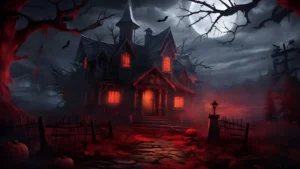
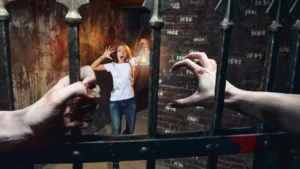
Horror escape rooms add another psychological layer on top of standard puzzle-solving. Fear and suspense activate the body’s stress response, similar to time pressure, but with an added emotional intensity.
For thrill-seekers, this combination of a mystery game, physical props and horror atmosphere creates one of the most intense versions of the escape room experience, closer to a detective game crossed with a haunted house than a standard puzzle challenge.
What This Means for Choosing the Right Escape Room?
Understanding the psychology behind escape rooms can actually help you pick the right one. If your group thrives on adrenaline and suspense, a horror escape room with a tighter time limit and more intense theming will likely deliver the biggest payoff.
If your group prefers a calmer, more methodical style of problem-solving, a beginner-friendly room with a clear storyline and moderate difficulty level often works better, giving everyone a chance to contribute without feeling overwhelmed.
Tips for Getting the Most Out of the Experience
- Communicate constantly. Group problem-solving works best when everyone shares what they notice, rather than working in silence.
- Embrace the time pressure. A bit of stress sharpens focus, so don’t fight the countdown, use it.
- Match difficulty to your group. Choosing a room suited to your experience level keeps the challenge fun rather than frustrating.
- Lean into the story. The more you engage with the theme, the stronger the immersive experience becomes.
- Don’t fear asking for hints. Most venues offer clues if your team gets stuck, and using them doesn’t take away from the fun.
Why Escape Rooms Have Become a Favourite Gold Coast Activity
This psychological mix of pressure, teamwork and immersive storytelling explains why escape rooms Gold Coast wide have grown into such a popular pick for birthday celebrations, date night activities, corporate events and weekend activities with friends.
They offer something screens and passive entertainment simply can’t, a shared, hands-on challenge that rewards communication and quick thinking. That’s a big part of why escape rooms near me searches keep climbing across the region.
How Padlock’d Brings This Psychology to Life
At Padlock’d, one of Australia’s largest escape room venues in Surfers Paradise, every themed room is designed with this psychology in mind, using time pressure, storytelling and physical clues to create a properly engaging challenge.
From beginner friendly adventures to intense horror escape rooms with live actors, Padlock’d offers a range of difficulty levels suited to families, couples, corporate teams and horror fans alike.
Frequently Asked Questions
Why do escape rooms feel so intense compared to other puzzle games? Time pressure, teamwork and immersive storytelling combine to create a heightened mental and physical state that standard puzzles rarely trigger on their own.
Are escape rooms good for improving problem solving skills? Yes. Escape rooms exercise critical thinking, pattern recognition and communication skills, all under the added challenge of a time limit.
Why are escape rooms considered good team building activities? They require constant communication and shared decision-making under pressure, which mirrors many of the skills needed for effective teamwork in the workplace.
Do horror escape rooms work differently on the brain than regular escape rooms? Horror escape rooms add fear and suspense on top of standard time pressure, creating a more intense stress response alongside the usual puzzle-solving challenge.
Is it normal to feel anxious during an escape room? Yes, a bit of anxiety is a normal response to time pressure and unfamiliar puzzles, and it often fades quickly once the group settles into solving clues together.
What difficulty level should beginners choose? Beginner friendly rooms with a clear storyline and moderate difficulty level are usually the best starting point for first-time players.
Final Thoughts
Escape rooms work because they combine time pressure, teamwork and immersive storytelling into a single, tightly designed experience, tapping into exactly the kind of mental state our brains find deeply rewarding. Understanding that psychology makes it easier to see why the format has become so popular, and to choose a room that matches your group’s style.
If you’re keen to put this psychology to the test, Padlock’d’s range of themed rooms in Surfers Paradise offers everything from calm, beginner friendly puzzles to full-throttle horror experiences. Take a look at the current lineup on the Padlock’d homepage, check difficulty levels on the FAQ page, or book your session and see how your group handles the pressure.